Choosing the correct golf shaft flex is one of the most important decisions you can make when buying new clubs. The shaft plays a critical role in how the club feels during the swing and how it performs at impact. Using a shaft that doesn’t match your swing speed and tempo can lead to poor ball striking, loss of distance, and inconsistent results.
In this guide, we’ll explain what shaft flex is, why it matters, and how to choose the right one for your game.
What is Shaft Flex?
Shaft flex refers to the amount a golf shaft bends during your swing. The faster your swing, the more the shaft will flex. Manufacturers categorise shaft flex into five main types:
Extra Stiff (X)
Stiff (S)
Regular (R)
Senior (A or M)
Ladies (L)
Each category is designed to suit a specific range of swing speeds and playing styles. Using the right flex can improve your control, distance, and consistency.
Why Shaft Flex Matters
The shaft acts as the engine of the club. It transfers energy from your body to the clubhead and ultimately to the ball. A shaft that is too stiff or too flexible for your swing can cause a variety of issues, including:
Loss of distance
Inaccurate ball flight
Lower or higher than intended launch angle
Poor contact and feel
Matching shaft flex to your swing helps maximise energy transfer and ensures that the clubhead is square at impact.
How to Determine the Right Shaft Flex
1. Know Your Swing Speed
Swing speed is the most important factor in choosing shaft flex. As a rough guide:
| Swing Speed (mph) | Flex Recommendation |
| 95+ | Extra Stiff |
| 85–95 | Stiff |
| 75–85 | Regular |
| 65–75 | Senior |
| Under 65 | Ladies |
Most club fitters and driving ranges have launch monitors that can measure your swing speed accurately. Alternatively, you can book a club fitting session to get a professional assessment.
2. Understand Your Ball Flight
Your typical ball flight can also help determine the right shaft flex:
Hooking the ball? Your shaft might be too flexible.
Slicing the ball? Your shaft might be too stiff.
Ball launching too high or too low? Flex and kick point both affect launch.
If your shots are inconsistent or your ball flight is not what you expect, an incorrect shaft flex could be to blame.
3. Consider Your Tempo and Transition
Tempo refers to the rhythm and pace of your swing. Golfers with a quick, aggressive transition often need a stiffer shaft, while those with a smoother, slower swing may benefit from a softer flex.
Even if two golfers have the same swing speed, their tempo can influence the best shaft choice.
4. Test Different Shafts
Whenever possible, try different shaft flexes on a launch monitor. Testing side-by-side can reveal which option produces the best combination of distance, accuracy, and feel. Many modern golf retailers and pro shops offer demo days or trial clubs for this purpose.
Steel vs Graphite Shafts
The material of the shaft also plays a role in performance:
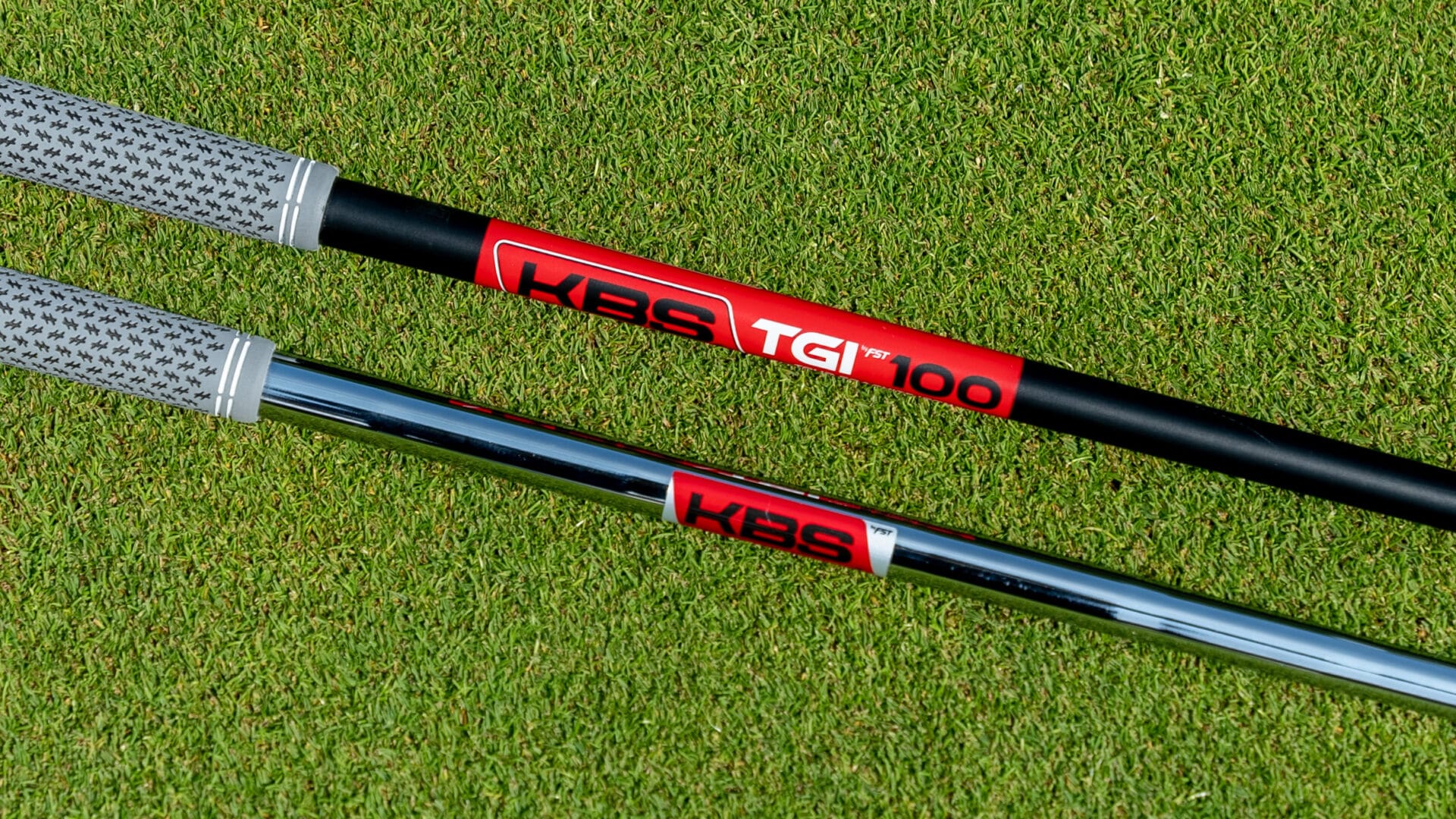
Steel shafts are typically heavier and offer more control. Preferred by many skilled players.
Graphite shafts are lighter and often help increase swing speed and distance. Popular among beginners, senior golfers, and those with slower swings.
You can find graphite shafts in drivers, fairway woods, hybrids, and increasingly in irons – especially for players looking for added distance or reduced strain on joints.
Summary
Choosing the right shaft flex is essential for unlocking the full potential of your golf swing. If you’re unsure, it’s worth getting fitted by a professional or trying a few options with launch monitor feedback.
At Cotswold Golf Company, we stock a wide range of clubs with different shaft options, and we’re always happy to offer advice on what’s best for your swing