Golf Ball Technology: What’s Inside and Why It Matters
When it comes to improving your performance on the golf course, your choice of golf ball is just as important as your choice of clubs. With so many options on the market, understanding the differences in golf balls, how they’re made, and what their technology can offer is key to playing your best round.
What Are Golf Balls Made Of?
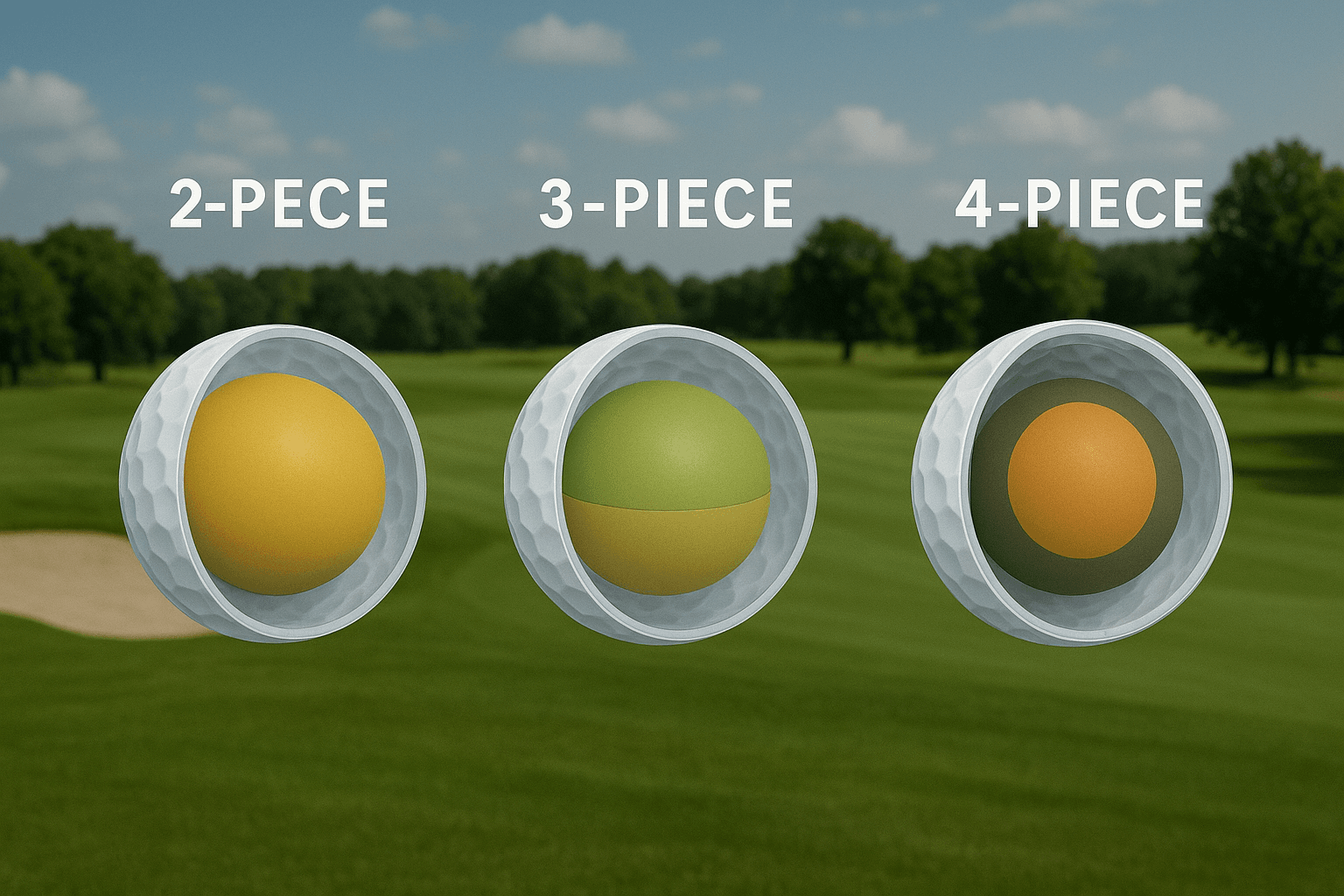
At first glance, a golf ball might seem like a simple piece of equipment, but the technology and engineering involved are surprisingly advanced. Most modern golf balls fall into one of three categories based on their construction:
1. Two-Piece Golf Balls
These are made with a solid rubber core and a durable outer cover, usually made from Surlyn. Two-piece balls are designed for distance and durability, making them ideal for beginners and high-handicap players. They tend to produce less spin, which helps reduce slices and hooks.
2. Three-Piece Golf Balls
These balls have a soft rubber or liquid core, a layer of enhanced rubber or plastic, and a softer cover (often urethane). The extra layer adds more spin control and feel around the greens, making them a popular choice for mid-handicap golfers who want a mix of distance and control.
3. Multi-Layer Golf Balls (Four or Five Pieces)
These premium golf balls feature multiple layers, each designed to react differently depending on the club used. They offer the highest level of performance, with exceptional feel, spin control, and distance—favoured by low-handicap players and professionals.
The Importance of the Cover
The cover of a golf ball affects spin, feel, and control:
Urethane covers offer a softer feel and greater spin around the greens.
Surlyn covers are more durable and provide lower spin, better for beginners who want to keep the ball straighter.
What Does Golf Ball Technology Offer?
The differences in golf balls go far beyond just price or branding. The internal structure and materials are designed to benefit different swing speeds, shot types, and course conditions.
1. Distance
Two-piece balls with lower compression are great for players with slower swing speeds, helping to maximise carry and roll.
2. Spin
Higher-compression balls with urethane covers give advanced players the ability to control spin rates—crucial for shaping shots and stopping the ball quickly on the green.
3. Feel
The feel of a golf ball is important on and around the greens. Soft-feel balls allow better touch for putting and chipping, while firmer balls tend to prioritise distance over finesse.
4. Trajectory
Advanced balls use dimple patterns and aerodynamic design to reduce drag and optimise lift, helping the ball fly more consistently through the air.
Choosing the Right Golf Ball for Your Game
Your ideal golf ball depends on your skill level, swing speed, and playing style:
Beginners and high handicappers: Look for durable, two-piece balls that prioritise distance and forgiveness.
Mid-handicap players: A three-piece ball provides a solid balance of control and length.
Low handicappers and pros: Multi-layer urethane balls offer the shot-shaping and short-game control needed for competitive play.
Final Thoughts
There’s much more to a golf ball than meets the eye. From the number of layers to the cover material and compression rating, every element is designed with performance in mind. Whether you’re looking for more distance, better spin control, or a softer feel, understanding the technology in golf balls can help you make the right choice for your game.
At Cotswold Golf Company, we stock a wide range of golf balls suited to all skill levels and preferences. If you’re unsure which ball is right for you, our expert team is always happy to help.